Did you know that over 75% of Americans report physical symptoms caused by stress each year? While many people turn to intense gym sessions, a quieter solution exists. Meditation in motion offers a powerful way to reclaim your peace.
This ancient practice is accessible to everyone, regardless of your current fitness level. You do not need special equipment or an athletic background to begin. By focusing on slow, intentional movements, you can significantly lower your tension levels.
Incorporating these movements into your routine creates a transformative mind-body connection. It serves as a modern tool to manage the pressures of modern life. Discover how simple shifts in posture and breath can improve your overall quality of life starting today.
Key Takeaways
- Tai chi is widely recognized as meditation in motion.
- The practice is suitable for all fitness levels and ages.
- It serves as an effective tool for modern stress management.
- No expensive equipment is required to start your journey.
- Intentional movement helps improve your physical and mental health.
Understanding the Philosophy of Tai Chi
To truly appreciate the grace of Tai Chi, one must first explore the deep philosophical roots that guide every motion. This practice is not merely a form of exercise; it is a meditative discipline that connects the physical body with the subtle energy flowing within. By grasping these foundational concepts, you can transform your routine into a meaningful path toward inner peace.
The Historical Roots of Internal Martial Arts
Tai Chi originated as an internal martial art, distinguishing itself from external styles that rely on brute strength. Instead of meeting force with force, practitioners learn to redirect energy through softness and relaxation. This historical shift emphasizes the power of yielding, which allows the body to remain fluid even under pressure.
The development of these movements was deeply influenced by Taoist traditions. Masters sought to align human movement with the natural rhythms of the universe. By focusing on internal structure rather than external muscle tension, they discovered a way to maintain health and vitality throughout their lives.
Balancing Yin and Yang in Daily Life
At the heart of this practice lies the concept of Yin and Yang, representing the duality of all things. These opposing forces are not enemies; they are complementary partners that create a dynamic equilibrium. In your daily life, this means finding the middle ground between activity and rest, or strength and flexibility.
“The softest things in the world overcome the hardest things in the world.”
Qi, often described as the vital life force, flows more freely when these elements are in balance. When you practice, you aim to unblock stagnant energy by moving with intention and awareness. The following table illustrates how these concepts manifest in your physical and mental state during a session.
| Concept | Yin Characteristics | Yang Characteristics |
|---|---|---|
| Movement | Softness and yielding | Firmness and expansion |
| Energy | Internal and receptive | External and active |
| Mental State | Calm and meditative | Focused and alert |
| Physicality | Relaxed muscles | Strong structure |
By integrating these principles, you learn to navigate the challenges of modern life with greater ease. You become more attuned to your own needs, knowing when to push forward and when to let go. This balance is the ultimate goal of the practice, fostering a sense of well-being that extends far beyond the training mat.
The Gentle Art of Tai Chi for Everyday Well-Being
Integrating the gentle art of tai chi for everyday well-being into your routine creates a bridge between physical health and mental peace. This practice invites you to slow down and reconnect with your body in a way that feels natural and restorative. By focusing on fluid motion, you can cultivate a sense of calm that carries over into your professional and personal life.
Defining the Practice as Moving Meditation
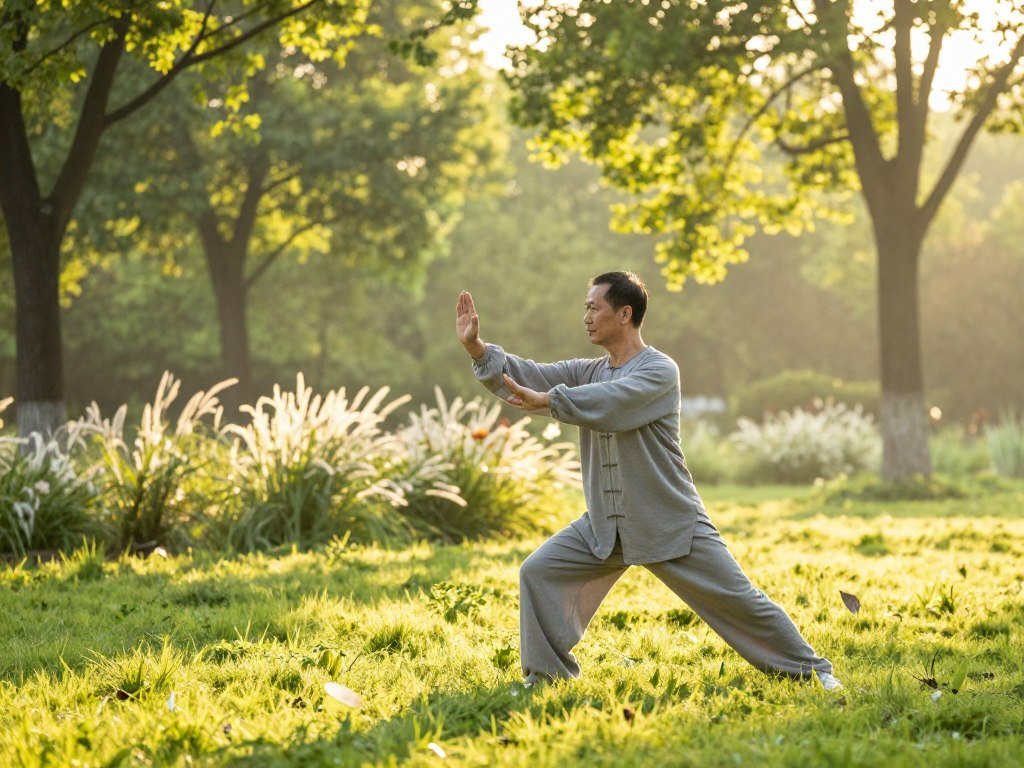
Tai chi is often described as meditation in motion because its slow, deliberate pace invites you to tune in to your breath and body. Unlike high-intensity workouts that prioritize external performance, this discipline emphasizes internal awareness. You learn to observe your movements from the inside out, fostering a deep sense of presence.
When you engage in this practice, the goal is not to achieve a perfect pose but to maintain a continuous flow of energy. This shift in focus helps quiet the mind and reduces the mental chatter that often leads to stress. It is a powerful tool for anyone looking to find stillness within the chaos of modern life.
Why Tai Chi is Accessible to Everyone
One of the most appealing aspects of the gentle art of tai chi for everyday well-being is its inherent inclusivity. Because the movements are low-impact and gentle on the joints, the practice is suitable for people of all ages and fitness levels. You do not need special equipment or an athletic background to begin your journey.
Many practitioners find that this form of exercise is particularly supportive for those navigating specific health challenges. Consider these key benefits that make the practice so accessible:
- Low-impact nature: It places minimal stress on your knees, hips, and ankles.
- Adaptability: Movements can be modified for those recovering from surgery or managing chronic conditions.
- Self-paced learning: You can practice at your own speed, ensuring you never feel overwhelmed.
- No specialized gear: You can start in comfortable clothing right in your own living room.
By prioritizing the gentle art of tai chi for everyday well-being, you choose a path that honors your body’s current capabilities. It is a welcoming practice that grows with you, offering long-term support for your physical and mental health.
Core Principles of Tai Chi Practice
Every graceful movement in this discipline relies on a set of fundamental guiding principles. By focusing on internal awareness and proprioception, you can transform your tai chi practice into a deeply restorative experience. These core concepts serve as the foundation for every posture you perform.
The Importance of Proper Posture and Alignment
Maintaining a steady connection between your feet and the ground is vital for stability. When you align your body correctly, you create a grounded stance that naturally improves your balance. This structural integrity allows your weight to sink, providing a solid base for every transition.
Proper alignment also helps in distributing your body weight evenly. By keeping your spine upright and your joints relaxed, you prevent unnecessary strain. This mindful approach ensures that your body remains supported throughout your entire session.
Cultivating Qi Through Softness and Flow
A successful tai chi practice requires you to prioritize softness before strength. When you release unnecessary tension, you allow your energy, or Qi, to move more freely through your limbs. This shift in focus turns rigid movements into a fluid, continuous stream of motion.
By letting go of physical resistance, you cultivate a more efficient flow of energy. This gentle persistence helps you discover a sense of ease that carries over into your daily life. Embracing this softness is the secret to unlocking the true potential of your tai chi practice.
Physical Health Benefits of Consistent Movement
Discover how steady, mindful movement serves as a foundation for long-term physical health. By committing to a regular routine, you allow your body to adapt and grow stronger in ways that support your daily activities. These tai chi benefits extend far beyond simple exercise, creating a lasting impact on your overall vitality.
Improving Balance and Preventing Falls
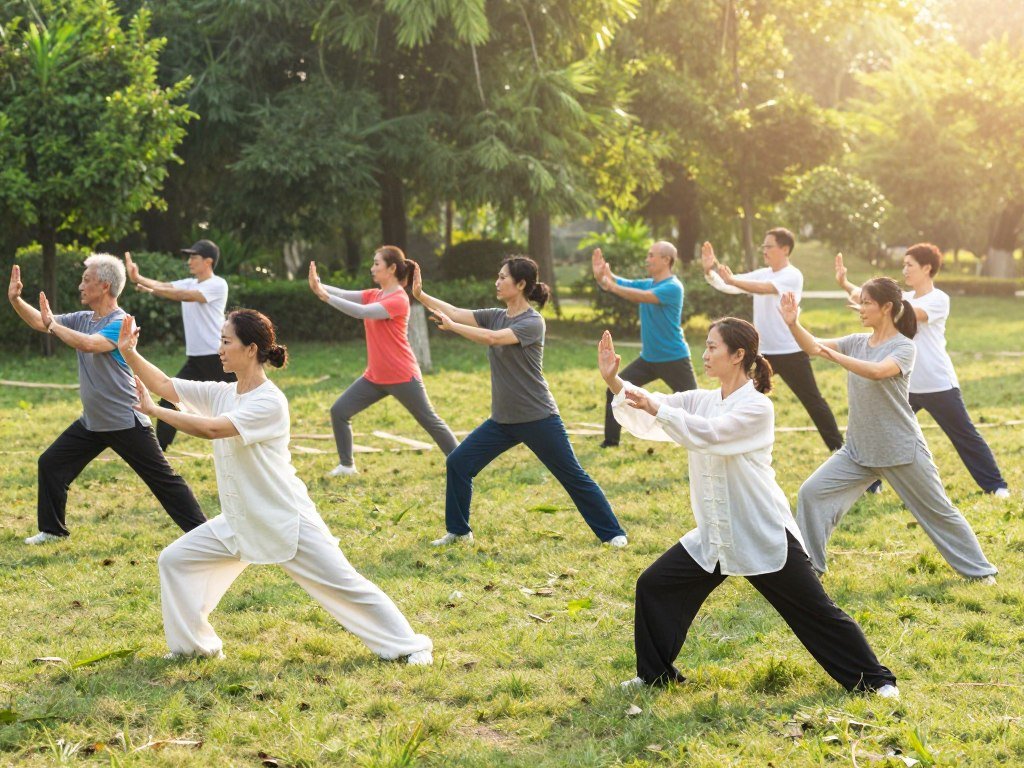
One of the most significant advantages of this practice is its ability to sharpen your sense of balance. The movements specifically train the sensory neurons located in the inner ear, which are vital for maintaining stability. By practicing these slow, controlled shifts, you effectively recalibrate your body’s proprioception.
Proprioception is your brain’s ability to sense your exact position in space. When this system is well-tuned, your risk of accidental falls decreases significantly. This is a key reason why many health professionals recommend these exercises for long-term safety and independence.
Enhancing Joint Mobility and Flexibility
Consistent movement also plays a crucial role in keeping your joints healthy and fluid. Unlike high-impact workouts that can cause wear and tear, this gentle approach encourages a full range of motion without putting unnecessary stress on your body. You will likely notice that your limbs feel more supple and responsive over time.
Maintaining flexibility is essential for preventing stiffness as you age. By incorporating these movements into your week, you create a sustainable path toward better physical function. The following table highlights how these practices compare to other common forms of exercise regarding physical health.
| Benefit Type | Tai Chi | Weight Lifting | Running |
|---|---|---|---|
| Balance Training | High | Low | Low |
| Joint Impact | Very Low | Moderate | High |
| Flexibility | High | Low | Low |
| Accessibility | High | Moderate | Low |
Ultimately, the tai chi benefits you gain from consistent practice provide a solid framework for a healthier life. By focusing on both balance and mobility, you ensure that your body remains capable and resilient for years to come.
Mental Clarity and Tai Chi Meditation
Finding mental clarity is often a challenge in our fast-paced world, but tai chi meditation offers a path to peace. By combining slow, deliberate movements with deep breathing, this practice helps you detach from the chaos of daily life. It serves as a bridge between physical activity and mental stillness, allowing your mind to settle into a state of calm.
Reducing Anxiety Through Focused Attention
Many people struggle with racing thoughts that lead to significant emotional fatigue. Tai chi meditation acts as a natural remedy by requiring your full attention on the present moment. When you focus on the precision of your movements, there is little room left for worry or stress to take hold.
This intentional focus helps to lower your heart rate and soothe the nervous system. As you move, you learn to release the tension that often builds up during a busy day. This process effectively clears the mental clutter that prevents you from feeling your best.
Achieving a State of Mindfulness
Achieving a state of mindfulness is the ultimate goal of this ancient practice. By grounding your awareness in bodily sensations, you develop a heightened sense of presence. This tai chi meditation technique allows you to observe your thoughts without judgment, creating a sense of inner space.
The benefits of this practice extend far beyond the training room. You will likely find that the calm you cultivate during your sessions carries over into your professional and personal life. Below is a comparison of how your mental state shifts through consistent practice.
| Mental State | Before Practice | After Practice |
|---|---|---|
| Focus Level | Fragmented and scattered | Sharp and centered |
| Stress Response | Reactive and tense | Calm and responsive |
| Emotional State | Fatigued and anxious | Balanced and refreshed |
Essential Tai Chi Movements for Beginners
Every long journey starts with a single step, and in this practice, that step is a specific, grounded movement. Beginners often feel overwhelmed by the complexity of long routines, but it is helpful to remember that forms are simply sets of movements. By focusing on shorter sequences, you can build your confidence and refine your technique without feeling rushed.
Mastering the Basic Stance
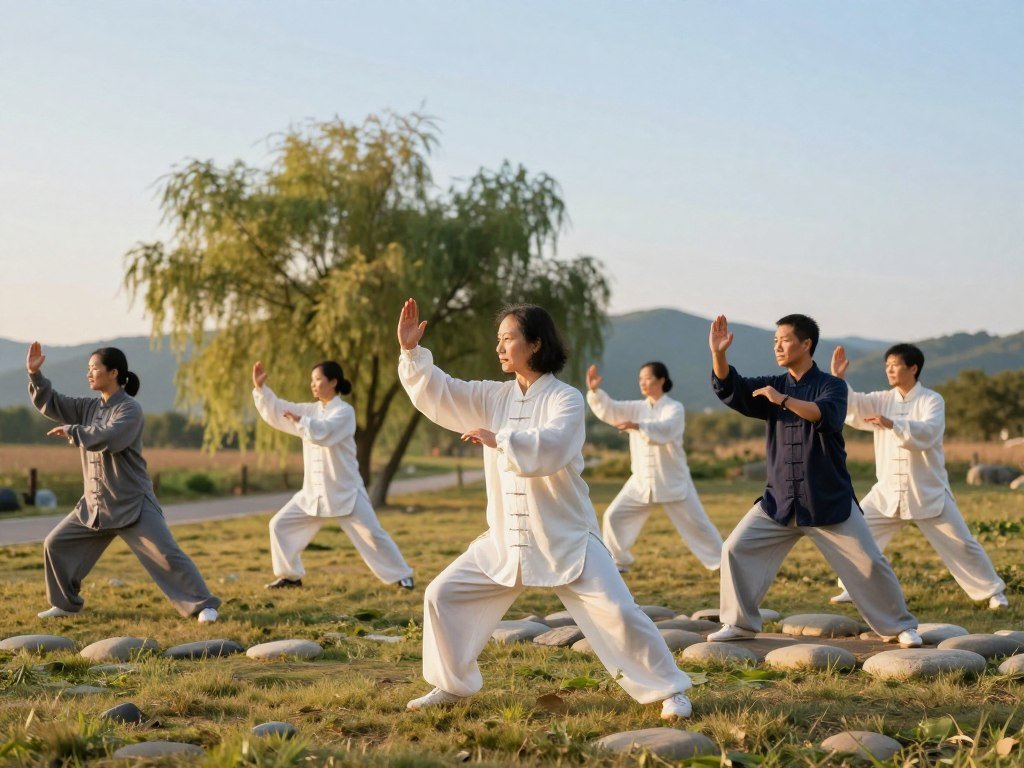
The foundation of all effective tai chi movements is the basic stance. You must learn to distribute your weight evenly while keeping your knees slightly bent and your spine upright. This posture creates a sense of stability that allows you to move with grace and ease.
Think of your stance as the roots of a tree. When your feet are firmly planted, your upper body remains relaxed and fluid. Proper alignment is the key to preventing strain and ensuring that your energy flows naturally throughout your entire body.
Learning the First Sequence of Forms
Once you feel comfortable with your stance, you can begin to explore your first sequence of forms. These short sets are designed to help you understand the transition between different positions. You will find that practicing these tai chi movements in a slow, deliberate manner helps you develop better coordination.
To make the most of your early practice sessions, consider these helpful tips:
- Start small: Focus on learning just two or three movements at a time.
- Stay relaxed: Avoid locking your joints, as this restricts the flow of motion.
- Be patient: Mastery comes from consistent, gentle repetition rather than speed.
- Breathe deeply: Coordinate your inhale and exhale with each movement to stay centered.
By mastering these initial sequences, you establish the necessary foundation for more complex patterns. Remember that the goal is not perfection, but rather the joy of consistent practice. As you continue to refine your tai chi movements, you will likely notice improvements in your overall balance and physical awareness.
How to Find Quality Tai Chi Classes
Embarking on your journey requires finding high-quality tai chi classes that fit your personal goals. Because there is no universal licensing or standard training for instructors, you must be proactive in your search. Taking the time to research your options ensures you find a teacher who truly understands your needs.
Evaluating Instructors and Teaching Styles
The best way to find a reputable teacher is to rely on personal recommendations from friends, family, or even your healthcare provider. Once you have a few names, always observe a class in person before you commit to a long-term program. This allows you to see if the instructor’s teaching style matches your learning preferences.
Pay close attention to how the teacher interacts with students during these tai chi classes. A great instructor should be patient, clear in their explanations, and able to modify movements for different physical abilities. Feeling comfortable and supported in the environment is essential for your long-term progress.
Choosing Between Group Sessions and Private Coaching
Deciding between a group setting and one-on-one coaching depends on your specific health concerns and comfort level. Group sessions offer a wonderful sense of community and are often more affordable for beginners. You can learn from the energy of others while practicing your forms in a social atmosphere.
Conversely, private coaching is ideal if you have specific injuries or require highly personalized attention to master complex movements. A private instructor can tailor every session to your unique pace, ensuring you maintain proper alignment and safety. Whether you choose group tai chi classes or private lessons, the most important factor is finding a mentor who prioritizes your well-being.
Integrating Tai Chi Exercises into a Busy Schedule
Many people believe they need a full hour to practice, but that is a common misconception. You can easily weave tai chi exercises into your daily life without disrupting your workflow. By focusing on consistency rather than duration, you create a sustainable habit that supports your long-term health.
Short Routines for Morning Energy
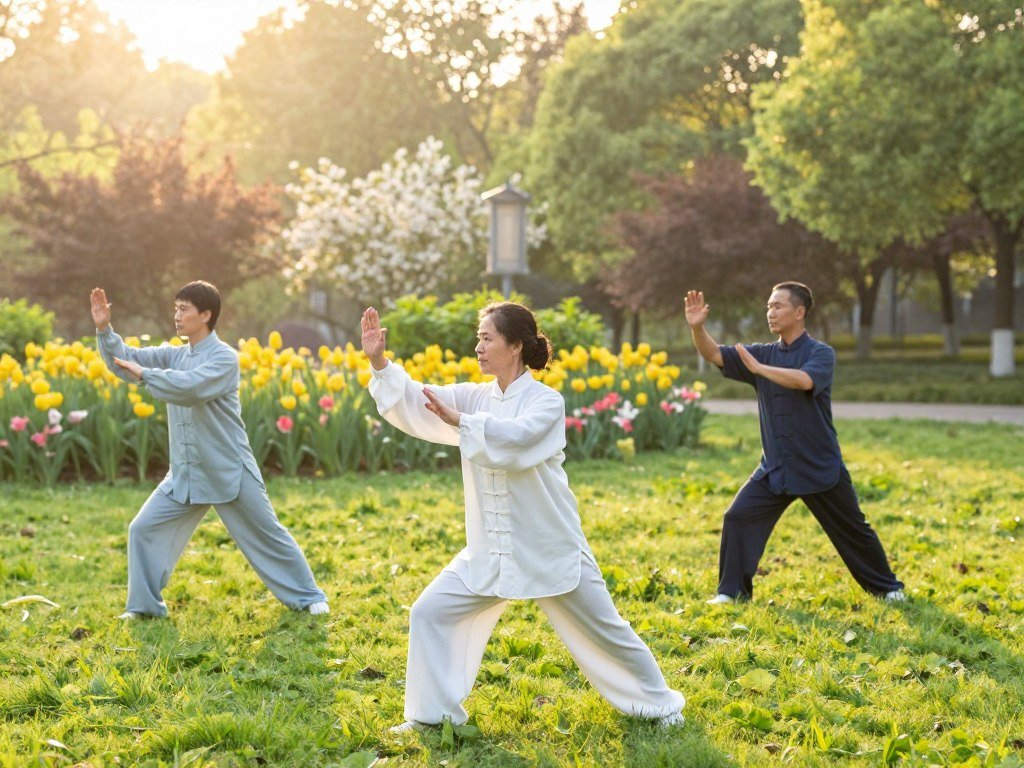
Just 10 minutes of practice in the morning can change your whole day. These brief tai chi exercises help wake up your muscles and sharpen your mental focus before the stress of the day begins. You might choose to perform a few simple movements while your coffee brews or right after you wake up.
“The journey of a thousand miles begins with a single step.”
Starting your morning with intentional movement sets a positive tone. It allows you to ground yourself and prepare for upcoming tasks with a calm, steady mind. Even a short session provides a significant energy boost that lasts well into the afternoon.
Evening Wind-Down Sequences
When the day finally ends, your body often holds onto lingering tension. Incorporating gentle tai chi exercises into your evening routine acts as a signal to your nervous system that it is time to rest. These slow, rhythmic motions help lower your heart rate and prepare your mind for deep, restorative sleep.
Consider these simple ways to wind down:
- Focus on deep, slow abdominal breathing to release physical stress.
- Practice soft, flowing movements that emphasize relaxation over precision.
- Keep your motions fluid to help transition from a busy state to a peaceful one.
By dedicating just a few minutes to these evening tai chi exercises, you improve your overall sleep quality. This practice serves as a bridge between the demands of your career and the quiet comfort of your home. Consistency is the key to unlocking these lasting benefits.
The Role of Tai Chi Relaxation in Stress Management
Finding peace in a chaotic world often starts with the simple, rhythmic movements of Tai Chi. This ancient practice serves as a powerful tool for those looking to regain control over their mental well-being. By prioritizing tai chi relaxation, you can create a sanctuary of calm amidst the demands of your daily schedule.
Lowering Cortisol Levels Through Gentle Motion
When you engage in slow, deliberate movements, your body begins to shift away from the “fight or flight” response. This transition is essential for lowering cortisol levels, the primary hormone associated with chronic stress. Consistent practice encourages the activation of the parasympathetic nervous system, which promotes recovery and rest.
Diaphragmatic breathing plays a vital role in this process. By focusing on deep, belly-centered breaths, you stimulate the vagus nerve. This action effectively signals your heart rate to slow down, fostering a deep sense of tai chi relaxation that lingers long after your session ends.
“The stillness in motion is the secret to a quiet mind and a healthy body.”
The Connection Between Physical Tension and Mental Stress
It is common to hold emotional stress in the shoulders, neck, and jaw. This physical tension often creates a feedback loop that reinforces feelings of anxiety and mental fatigue. Through the practice of tai chi relaxation, you learn to identify these tight spots and release them consciously.
The following table illustrates how different states of being affect your overall stress levels during a typical day:
| Stress Factor | Typical Response | Tai Chi Approach |
|---|---|---|
| Muscle Tension | Rigidity and pain | Softness and release |
| Breathing Pattern | Shallow and rapid | Deep and diaphragmatic |
| Mental Focus | Scattered thoughts | Present-moment awareness |
| Nervous System | Sympathetic dominance | Parasympathetic activation |
By integrating these techniques, you break the cycle of stress-induced physical strain. Embracing tai chi relaxation allows you to move through life with greater ease and resilience. Ultimately, the harmony between your body and mind becomes your greatest asset in managing modern pressures.
Tai Chi Health Benefits for Aging Populations
The golden years offer a unique opportunity to focus on longevity through gentle, purposeful exercise. Many older adults are turning to this ancient practice to maintain their independence and vitality. Understanding the specific tai chi benefits can help you see why this activity is so highly recommended for seniors.
Supporting Bone Density and Cardiovascular Health
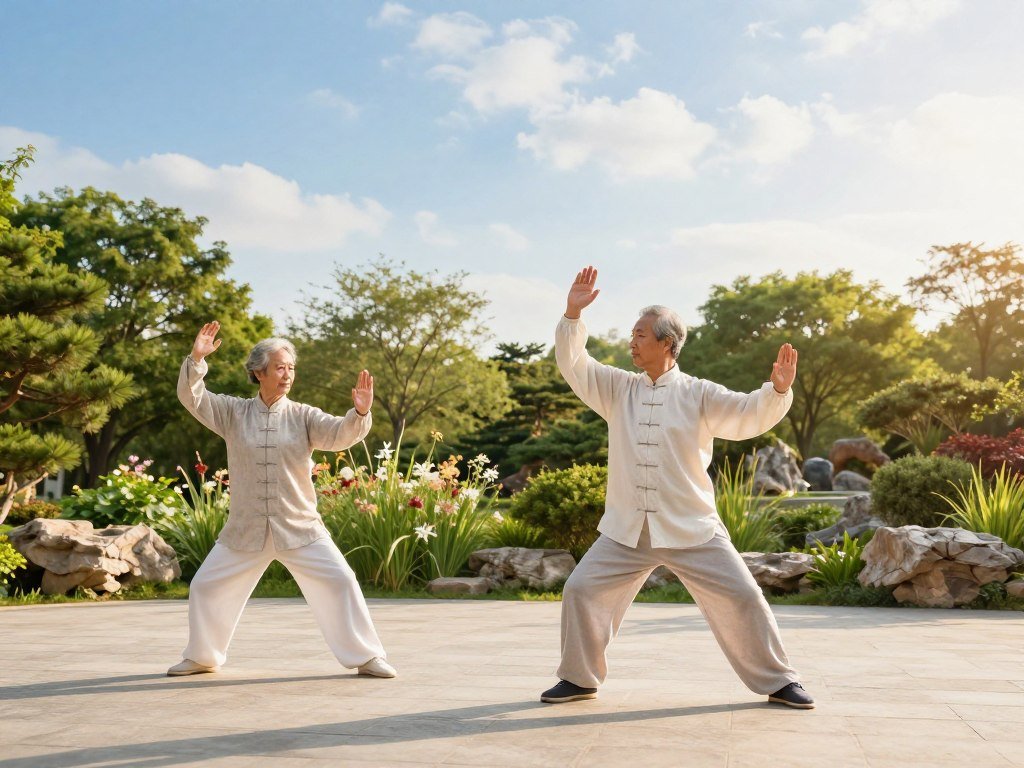
One of the most significant advantages of this practice is its ability to improve physical stability. Research indicates that regular sessions can reduce fall risk by up to 50 percent in older adults. This is largely due to the focus on weight shifting and core strength.
Beyond balance, the low-impact nature of these movements supports cardiovascular health without straining the heart. By engaging in slow, rhythmic motions, practitioners can improve circulation and maintain healthy blood pressure levels. Furthermore, the weight-bearing aspect of the movements helps in maintaining bone density, which is vital for long-term skeletal health.
Cognitive Preservation Through Complex Movement
The mental demands of learning new sequences provide a powerful workout for the brain. As you memorize the flow of forms, you are actively engaging your memory and spatial awareness. These tai chi benefits extend well beyond the physical, helping to keep the mind sharp and focused.
Studies suggest that the combination of physical movement and deep concentration can slow cognitive decline. By challenging yourself to coordinate breath with complex patterns, you create new neural pathways. Embracing these tai chi benefits allows you to cultivate a sense of mental clarity that lasts throughout your day.
Equipment and Attire for Your Practice
You do not need expensive equipment to begin your journey into this ancient movement practice. While many people worry about buying specialized gear, the beauty of this discipline lies in its simplicity. Whether you are practicing at home or attending local tai chi classes, your focus should remain on your body and breath rather than your accessories.
Selecting Comfortable Clothing for Freedom of Movement
The most important rule for your attire is to choose loose-fitting clothing that does not restrict your range of motion. Tight fabrics can hinder your ability to perform deep stretches or fluid transitions. Look for breathable materials like cotton or bamboo that allow your skin to stay cool during your session.
Many practitioners prefer traditional styles, such as silk or cotton jackets and wide-legged trousers. These garments are designed to move with you, ensuring that your focus stays on your internal flow. If you are just starting out, simple sweatpants and a comfortable t-shirt are perfectly acceptable for your tai chi classes.
Choosing the Right Footwear for Stability
Footwear plays a vital role in maintaining your balance and grounding your energy. You should avoid thick-soled running shoes, as they are designed for forward propulsion and often create an unstable base. Instead, look for shoes with a flat, thin sole that allows you to feel the ground beneath your feet.
Specialized shoes are available, but many beginners find that simple canvas sneakers or even non-slip socks work well for indoor practice. The goal is to ensure your feet can distribute weight evenly across the floor. This stability is essential for preventing slips and maintaining proper alignment during your tai chi classes.
| Footwear Type | Stability Level | Best Use Case |
|---|---|---|
| Running Shoes | Low | Outdoor jogging only |
| Flat Canvas Shoes | High | Indoor studio practice |
| Specialized Tai Chi Shoes | Excellent | Long-term, dedicated practice |
| Non-slip Socks | Moderate | Home practice on mats |
Common Mistakes to Avoid When Starting
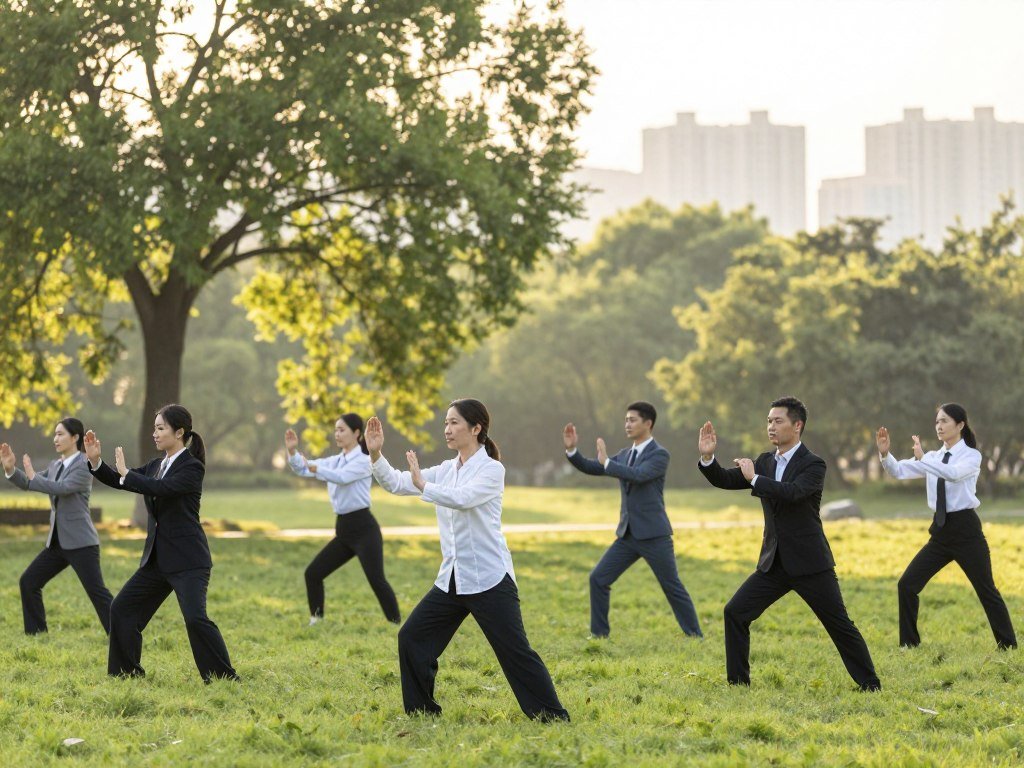
If you are just beginning your path with tai chi exercises, it is helpful to recognize the traps that often catch beginners. Many people feel eager to master the movements quickly, but this practice is truly a marathon rather than a sprint. Medical research suggests that most effective programs last at least 12 weeks to show real, measurable results in your health and well-being.
Overthinking the Choreography
One of the most frequent errors is trying to memorize every single step perfectly from the very first day. When you focus too hard on the exact placement of your feet or hands, you often create unnecessary mental strain. This rigid approach can lead to frustration and prevent you from feeling the natural flow of the movement.
Instead of worrying about perfection, try to focus on the general direction and the rhythm of the sequence. Your body will eventually learn the patterns through repetition and consistent practice. Remember that tai chi exercises are designed to be fluid, and your grace will improve naturally over time.
Ignoring the Importance of Relaxation
Many beginners mistakenly believe that they must hold their muscles tight to maintain a specific posture. In reality, the core of this practice relies on softness and release. If you keep your shoulders hunched or your joints locked, you block the very energy you are trying to cultivate.
To ensure you get the most out of your sessions, keep these simple tips in mind:
- Breathe deeply and naturally to help your muscles stay loose.
- Check your posture frequently to ensure you are not holding tension in your neck or jaw.
- Focus on the feeling of the movement rather than how it looks in a mirror.
- Stay consistent with your tai chi exercises, as steady progress is better than intense, sporadic effort.
By letting go of the need to be perfect, you allow your body to find its own balance. Embracing a relaxed state will make your practice much more enjoyable and sustainable in the long run.
Breathing Techniques to Enhance Your Flow
Breathing is the invisible thread that connects your physical movements to your inner state of calm. When you learn to regulate your air intake, you transform your practice into a true tai chi meditation. This rhythmic process helps quiet the mind and prepares the body for fluid motion.
Coordinating Breath with Movement
In this practice, breathing is never forced; it remains slow, soft, and natural. You should aim to inhale during the expansion phases of a movement and exhale during the contraction or grounding phases. This synchronization is essential to activate the parasympathetic nervous system, which helps your body shift into a state of deep rest and recovery.
By weaving your breath into every gesture, you create a seamless loop of energy. This connection ensures that your tai chi meditation remains focused and intentional. As you move, let the breath lead the way, allowing your limbs to follow the natural rhythm of your lungs.
The Benefits of Abdominal Breathing
Abdominal breathing, often called belly breathing, is the cornerstone of a healthy practice. By drawing air deep into the diaphragm rather than the chest, you stabilize your core and improve your overall posture. This technique provides the stamina needed to hold complex forms without feeling strained or fatigued.
Mastering this deep breathing style also helps lower physical tension, which directly reduces mental stress. When you breathe from the abdomen, you provide your muscles with more oxygen, allowing for greater flexibility and grace. This approach is vital for anyone looking to deepen their tai chi meditation experience.
| Feature | Shallow Breathing | Abdominal Breathing |
|---|---|---|
| Primary Muscle | Upper Chest | Diaphragm |
| Nervous System | Sympathetic (Stress) | Parasympathetic (Calm) |
| Energy Level | Quickly Drained | Sustained Stamina |
| Posture Impact | Tense Shoulders | Aligned Spine |
Connecting Mind and Body Through Intent
Your mental focus acts as the invisible bridge between your thoughts and your physical form. While many beginners focus solely on the external shape of their limbs, the true essence of the practice lies in the internal state of the practitioner. By cultivating a deep sense of awareness, you can transform standard tai chi movements into a profound meditative experience.
The Concept of Yi or Focused Intention
In traditional practice, the term Yi refers to the power of focused intention. It is the mental command that directs your internal energy, or qi, to specific parts of the body. Rather than moving your limbs through sheer muscular force, you use your mind to lead the action.
When you apply Yi, you become more present and grounded. This intentionality ensures that your body remains relaxed while your mind stays alert. It is this harmonious balance that distinguishes a simple exercise from a holistic health practice.
Visualizing Energy Flow During Practice
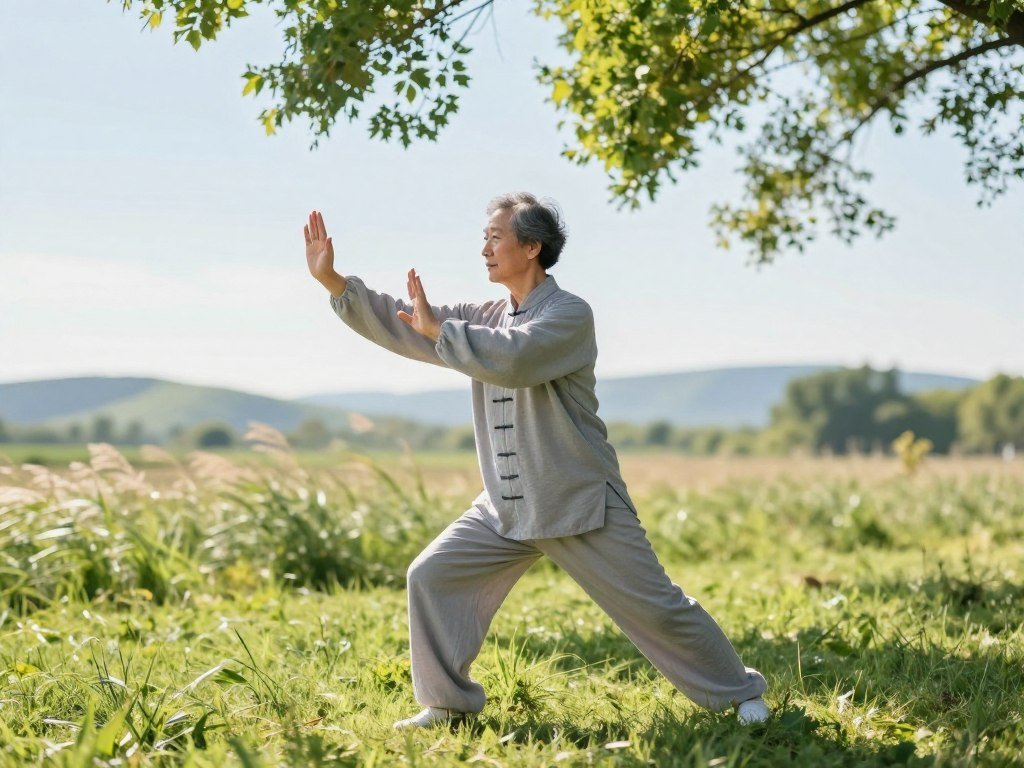
Visualization is a powerful tool to help you guide your energy during your daily routine. By imagining a gentle stream of warmth or light moving through your limbs, you can improve the quality of your tai chi movements significantly. This mental imagery helps to release hidden tension and promotes a smoother flow of motion.
To effectively incorporate visualization into your sessions, consider these simple techniques:
- Visualize roots: Imagine your feet sinking deep into the earth to build a stable foundation.
- Follow the breath: Picture your energy expanding as you inhale and settling as you exhale.
- Soft focus: Keep your gaze gentle and unfocused to maintain a calm, internal state.
By consistently practicing these mental techniques, you will find that your tai chi movements become more fluid and natural. Over time, this connection between mind and body will enhance your overall well-being and provide a sense of lasting peace.
Sustaining Long-Term Motivation in Your Practice
Staying committed to your wellness journey requires more than just willpower. When you begin a tai chi practice, it is natural to feel excited, but maintaining that energy over months or years takes a thoughtful approach. By focusing on small, manageable steps, you can ensure that your routine remains a source of joy rather than a chore.
Setting Realistic Personal Goals
The most effective way to stay on track is to define what success looks like for you personally. Instead of aiming for perfection, try setting incremental goals that celebrate your progress. Whether it is mastering a single movement or simply showing up to your mat three times a week, these small wins build lasting confidence.
Remember that your tai chi practice is a lifelong journey of self-discovery. Avoid the trap of comparing your current level to others who have been training for decades. Focus instead on how your body feels and how your mind settles after each session.
“The journey of a thousand miles begins with a single step.”
Joining a Community of Practitioners
Isolation can often lead to a loss of interest, which is why finding a group is so beneficial. When you join a community of fellow students, you gain access to encouragement and shared wisdom. The camaraderie found in group classes helps you stay accountable and makes the entire experience much more enjoyable.
Engaging with others who share your interest in a tai chi practice provides a sense of belonging. You will find that learning from peers and instructors creates a supportive environment where everyone grows together. This social connection is often the missing piece that turns a temporary hobby into a permanent, healthy lifestyle choice.
Conclusion
Your path toward better health begins with a single, intentional step. This practice offers a sustainable way to improve your balance and physical strength while keeping your joints supple. You gain much more than just fitness when you commit to these gentle motions.
Deepening your tai chi relaxation helps you manage the pressures of a busy world. You will find that your mind becomes clearer as you focus on the flow of your body. This shift creates a grounded feeling that stays with you long after your session ends.
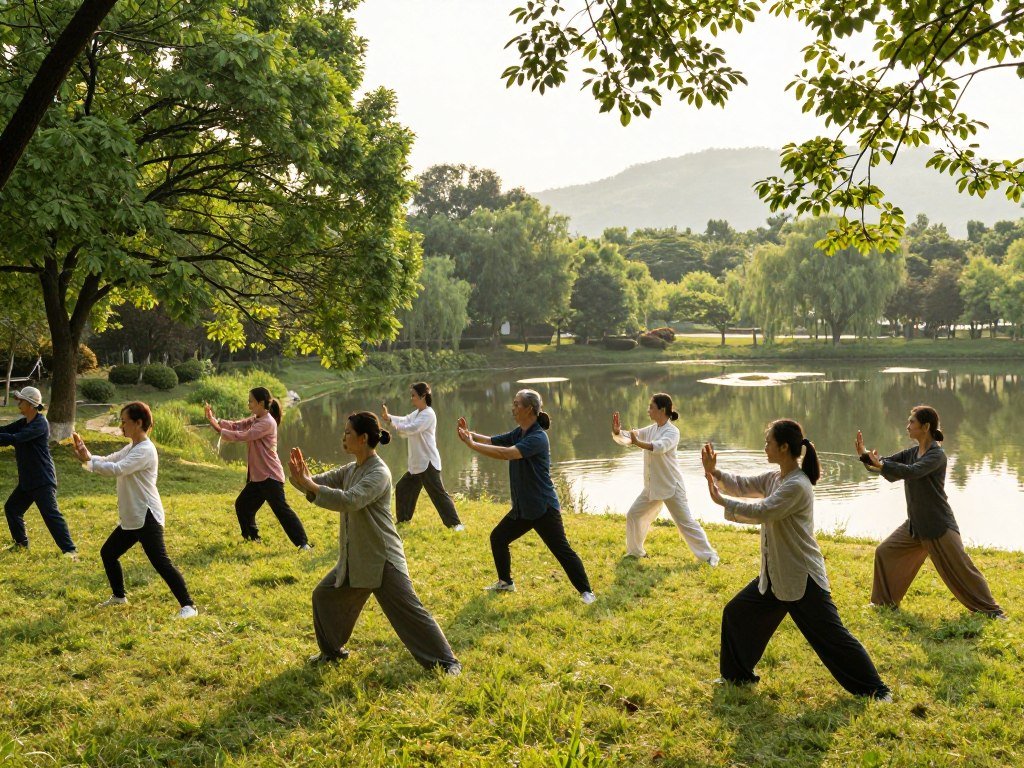
You do not need special equipment or a high level of athletic ability to start today. Many people find success by practicing in their own living rooms or local parks. Consistency remains the most important factor in your long-term progress.
Take a moment to breathe deeply and set your intention for the day ahead. You hold the power to transform your well-being through these simple, time-tested movements. Begin your journey now and discover the lasting peace that comes with a dedicated practice.