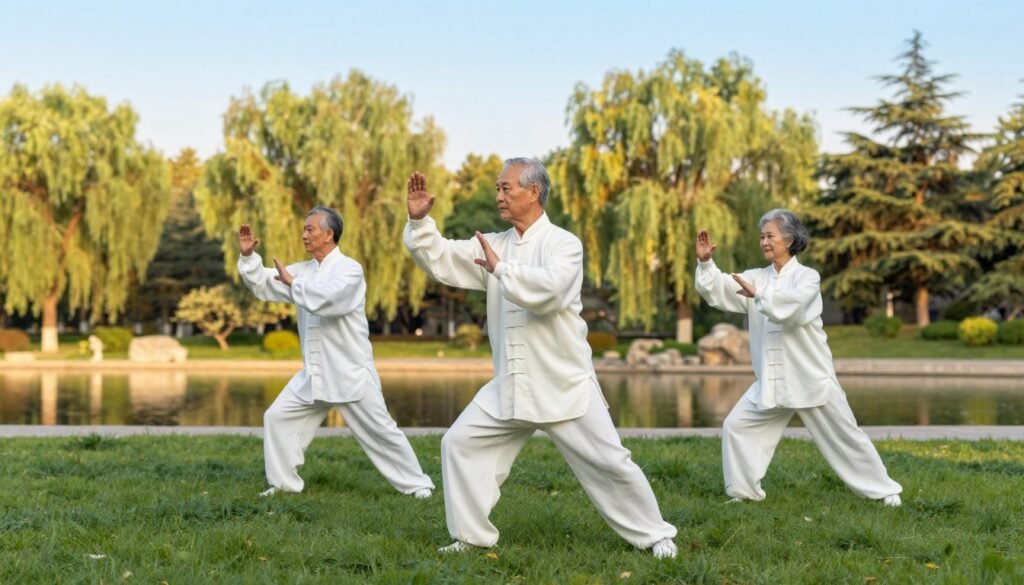
Did you know that one in four Americans over the age of 65 reports a fall each year? This startling statistic highlights a critical need for proactive movement strategies that prioritize stability and long-term vitality.
Many people assume that staying fit requires intense gym sessions or heavy lifting. However, gentle movement practices offer a sustainable path toward improved physical function and mental clarity. By focusing on slow, continuous motions, you can cultivate inner strength without the strain of high-impact workouts.
This approach integrates rhythmic breathing with mindful focus, making it an ideal choice for adults at any fitness level. Whether you seek to improve your mobility, reduce daily stress, or simply enjoy better sleep, this practice provides a supportive foundation. Please remember that these movements serve as a wonderful complement to professional medical care rather than a replacement for it.
Key Takeaways
- Falls are a major concern for older adults, but targeted movement can significantly reduce risks.
- Slow, deliberate exercise fosters physical stability and mental focus for all fitness levels.
- Mindful breathing techniques help lower stress and improve overall sleep quality.
- This practice promotes independence by enhancing mobility and building confidence in daily tasks.
- Consistent, low-impact routines are more sustainable for long-term physical maintenance.
Understanding Wellness, Balance & Healthy Ageing using Tai Chi
Healthy ageing is not just about longevity, but about maintaining the quality of your daily life through intentional movement. Tai Chi treats wellness as an integrated experience that brings together your physical function, mental focus, and emotional steadiness. By participating in this practice, you also tap into a sense of social connection that supports long-term well-being.
How Tai Chi Connects Physical, Mental, and Emotional Wellness
At its core, this practice bridges the gap between how your body moves and how your mind feels. You are not just exercising muscles; you are training your nervous system to remain calm under pressure. This mind-body harmony helps you navigate daily stressors with greater ease and grace.
The emotional benefits are just as significant as the physical ones. Many practitioners find that the rhythmic nature of the movements helps to:
- Lower daily anxiety levels.
- Improve overall mood and outlook.
- Foster a deeper sense of inner peace.
Why Gentle Movement Supports Healthy Ageing
You do not need to be an elite athlete to enjoy the benefits of this practice. In fact, healthy ageing exercise is most effective when it focuses on functional independence rather than maximal strength. By choosing gentle movement for older adults, you protect your joints while still building the stability needed for everyday tasks.
This approach allows you to maintain your mobility without the wear and tear associated with high-impact activities. It is a sustainable way to stay active, ensuring that your body remains capable and resilient as the years go by.
What to Expect From a Tai Chi for Life Practice
If you are new to this, you might wonder what a typical session looks like. A standard practice is designed to be accessible and progressive, meaning you can learn at your own pace. You can expect a session to include several key components:
- Warm-up movements: Gentle stretches to prepare the joints and muscles.
- Connected forms: A series of flowing motions that build balance and coordination.
- Controlled breathing: Techniques to synchronize your breath with your physical actions.
- Qigong: Simple, repetitive exercises that focus on energy flow and relaxation.
Do not worry if you feel like you are learning slowly. The beauty of gentle movement for older adults is that it prioritizes consistency over speed. Whether you are practicing in a group or at home, the goal is to enjoy the process of becoming a more balanced version of yourself.
Why Tai Chi Supports the Mind-Body Connection
You do not need to be a philosopher to experience the profound benefits of a unified mind and body. Many people view this practice as a practical skill rather than a requirement to adopt a specific spiritual belief system. By focusing on the mind-body connection, you can turn ordinary physical activity into a tool for personal wellness.
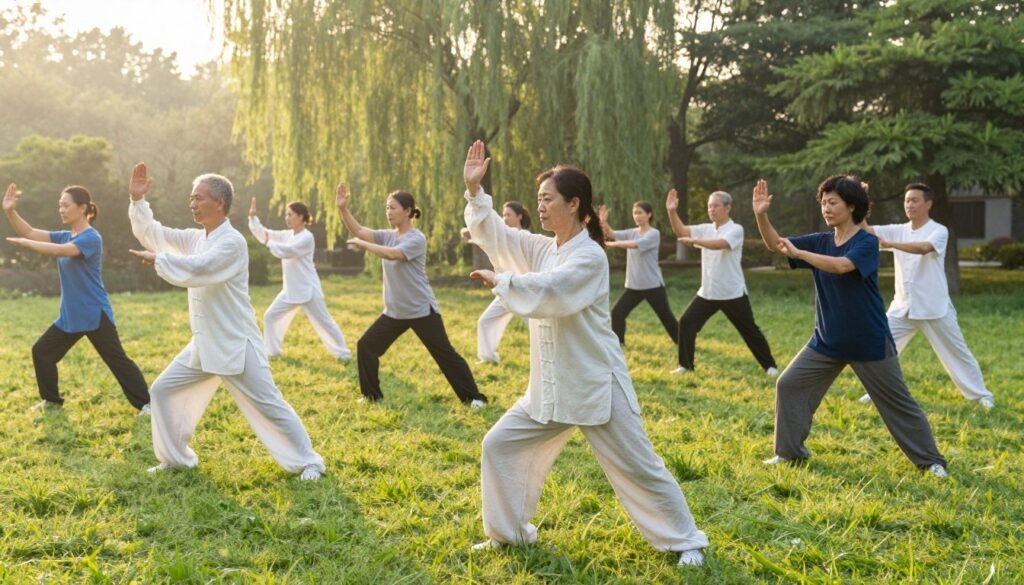
Coordinating Breath, Posture, and Controlled Movement
The foundation of this practice relies on the synchronization of your physical actions with your breathing. When you align your posture, you create a stable base that allows for fluid, controlled movement. This coordination helps to reduce unnecessary tension in the muscles and joints.
As you move, your breath acts as a guide for the pace of your limbs. Keeping your breathing steady and natural prevents the common habit of holding your breath during challenging transitions. This rhythmic flow ensures that your body remains relaxed while you maintain your structural alignment.
Building Awareness Through Slow, Intentional Motion
Moving at a slower pace provides the necessary time to notice subtle changes in your body. You can pay close attention to your balance, the position of your joints, and any areas where you might be holding tension. This intentional motion transforms exercise from a mindless task into a period of active observation.
By slowing down, you become more aware of how your weight shifts from one foot to the other. This heightened sensitivity allows you to make small, immediate adjustments to your posture. Over time, this practice makes your everyday movements feel more attentive and secure.
Using Tai Chi for Mind and Body Harmony
Achieving tai chi for mind and body harmony is a reachable goal for anyone interested in improving their quality of life. It does not require special equipment or a complex background in fitness. Instead, it asks you to simply focus on the sensations of your own body as you move through space.
This approach helps you cultivate a sense of calm that carries over into your daily routine. When you practice regularly, you learn to manage your physical state with greater ease. The following table highlights how this mindful approach differs from standard exercise routines.
| Feature | Standard Exercise | Mindful Movement |
|---|---|---|
| Primary Focus | Repetition and Intensity | Quality and Awareness |
| Breathing | Often secondary | Integrated with motion |
| Goal | Physical output | Tai chi for mind and body harmony |
| Mental State | Distraction or focus on results | Present-moment attention |
Holistic Health Benefits of Tai Chi
Exploring the holistic health benefits of Tai Chi reveals a path toward better physical and mental well-being. This ancient practice focuses on the harmony of the entire person rather than just isolated muscle groups. By engaging in slow, intentional movements, you can foster a deeper connection between your body and mind.
Supporting Cardiovascular and Musculoskeletal Health
Regular practice is often associated with improved cardiovascular health. Studies suggest that consistent, low-impact movement may help lower blood pressure and reduce resting heart rate over time. These gentle sessions provide a sustainable way to keep your heart active without the strain of high-intensity exercise.
Furthermore, Tai Chi plays a vital role in maintaining musculoskeletal health. By moving through controlled ranges of motion, practitioners often experience reduced joint pain and stiffness. This makes it an excellent choice for those looking to support their skeletal structure and muscle tone as they age.
Encouraging Mobility, Flexibility, and Functional Strength
One of the most noticeable changes for new practitioners is an increase in daily mobility. The fluid transitions between postures help to lengthen muscles and improve overall flexibility. This gentle approach ensures that your joints remain lubricated and capable of full movement.
Functional strength is also built through the weight-shifting nature of the forms. By focusing on balance and stability, you develop the core strength necessary for everyday tasks. This helps you move with greater confidence and ease throughout your day.
Promoting Relaxation and Emotional Resilience
Beyond the physical advantages, Tai Chi serves as a powerful tool for emotional regulation. The rhythmic breathing and focused attention help to calm the nervous system, effectively lowering stress levels. Over time, this practice builds emotional resilience, allowing you to navigate life’s challenges with a steady mind.
How Regular Practice Complements Other Healthy Habits
It is important to view Tai Chi as a supportive pillar within a broader wellness strategy. It works best when paired with regular walking, balanced nutrition, and consistent sleep routines. While it offers many advantages, it should not replace necessary medical treatments or professional advice.
Always consult with a qualified healthcare professional before starting a new exercise program to ensure it aligns with your specific health goals. Integrating these movements into your life can enhance the effectiveness of your other healthy habits.
| Benefit Category | Primary Focus | Expected Outcome |
|---|---|---|
| Cardiovascular | Heart Rate Control | Improved Circulation |
| Musculoskeletal | Joint Flexibility | Reduced Stiffness |
| Emotional | Stress Reduction | Enhanced Resilience |
| Functional | Balance Training | Fall Prevention |
Tai Chi Movements That Build Everyday Balance
Mastering your center of gravity is the secret to staying active and independent as you age. By practicing specific tai chi movements, you can improve your proprioception, which is your body’s ability to sense its position in space. These everyday balance exercises help you rehearse the subtle shifts needed to stay upright during daily tasks like walking, reaching, or turning.
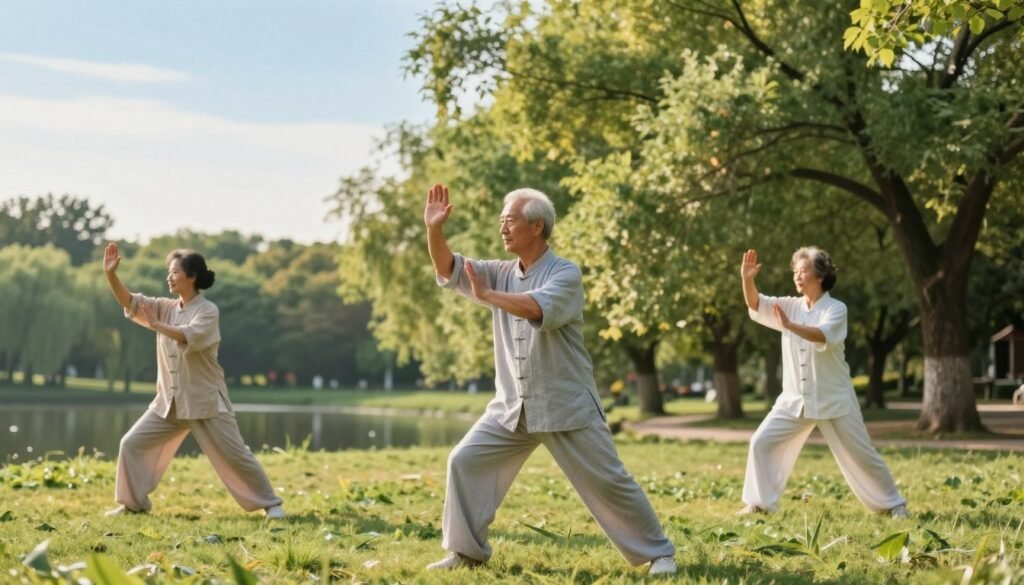
Weight Shifting for Greater Stability
Weight shifting is the foundation of all movement in this practice. By slowly moving your weight from one leg to the other, you train your muscles to support your body during transitions. This process helps you recover quickly if you ever feel unsteady while moving through your home or community.
Focus on keeping your torso upright as you shift. You will find that this control makes your everyday balance exercises feel more natural and less like a chore. Over time, this practice builds the confidence needed to navigate uneven surfaces with ease.
Rooting Through the Feet and Relaxing the Knees
Rooting involves feeling a deep, stable connection between your feet and the ground. When you relax your knees, you lower your center of gravity, which creates a solid base for your entire body. This simple adjustment prevents the common mistake of locking your joints, which can lead to tension and instability.
“Movement is the song of the body, and balance is the rhythm that keeps the melody flowing through every step we take.”
Coordinating Arm Movements With Lower-Body Motion
The true beauty of these tai chi movements lies in the harmony between your upper and lower body. As you shift your weight, your arms should move in a relaxed, fluid arc that follows your center. This coordination teaches your brain to manage multiple points of motion simultaneously, which is a vital skill for maintaining everyday balance exercises in real-world scenarios.
| Movement Type | Primary Benefit | Daily Application |
|---|---|---|
| Weight Shifting | Stability | Walking on uneven ground |
| Rooting | Grounding | Standing in long lines |
| Arm Coordination | Fluidity | Reaching for objects |
Always prioritize control and comfort over the size of your movements. You do not need to perform complex forms to see results. By staying within a safe range of motion, you protect your joints while building the strength necessary for a healthy, active life.
Starting Tai Chi for Beginners With Confidence
Embarking on a new wellness journey can feel daunting, but learning Tai Chi safely is much easier than you might think. By taking small, intentional steps, you can build a foundation that supports your health for years to come. Whether you are looking for relaxation or improved stability, this practice offers a welcoming path for everyone.
Choosing a Beginner-Friendly Tai Chi Style
Not every beginner Tai Chi style is the same, and that is perfectly fine. Many newcomers find that styles focusing on shorter forms or smaller, more controlled movements are the most accessible. These variations are particularly helpful for older adults or those recovering from illness who need to manage their energy levels carefully.
You do not need to master complex sequences immediately to enjoy the benefits. Instead, look for programs that emphasize gentle, repetitive motions that allow you to move at your own pace. Finding a style that feels natural to your body is the best way to ensure long-term success.
Learning Basic Alignment Before Complex Forms
Before you attempt intricate patterns, focus on the fundamentals of your posture. Proper alignment is the secret to learning Tai Chi safely and preventing unnecessary strain on your joints. Keep your spine tall, your shoulders relaxed, and your weight evenly distributed through your feet.
Think of your body as a balanced structure rather than a rigid object. When you maintain this soft, upright posture, you allow your energy to flow more freely. Mastering these simple alignment cues will make every future movement feel more stable and grounded.
Setting Up a Safe and Comfortable Practice Space
Your environment plays a significant role in your success with tai chi for beginners. Choose a spot in your home that is free from clutter, rugs, or furniture that could cause a trip. You need enough room to step comfortably in all directions without feeling restricted.
Ensure the floor surface is stable and provides enough grip for your footwear. A quiet, well-lit area will help you focus on your breath and movement without distractions. A calm space is essential for turning your practice into a true sanctuary for your mind and body.
Deciding Between Classes, Videos, and Personal Instruction
Choosing how to learn depends on your personal goals and comfort level. Attending local classes provides valuable social interaction and immediate feedback from an instructor, which can be very encouraging. If you prefer privacy, online videos offer the convenience of practicing whenever your schedule allows.
For those with specific health concerns, personal instruction is often the best choice. A private teacher can tailor the movements to your unique needs, ensuring you are learning Tai Chi safely from the very first session. Regardless of the method you choose, the most important factor is your commitment to showing up for yourself.
Preparing the Body for a Safe Tai Chi Session
A great session begins long before you start your first movement. Taking a few moments to organize your environment and your physical state ensures a safe Tai Chi practice that remains enjoyable over time. By focusing on these small details, you create a foundation for better balance and focus.
Wearing Supportive Clothing and Stable Footwear
Comfort is essential when you move through slow, flowing patterns. Choose loose-fitting clothing that allows your limbs to move freely without restriction. Tight fabrics can hinder your range of motion and distract you from your form.
Equally important is your choice of supportive footwear. Look for flat, flexible shoes that provide a good grip on the floor to prevent slipping. A stable base helps you feel grounded and secure as you shift your weight during your practice.
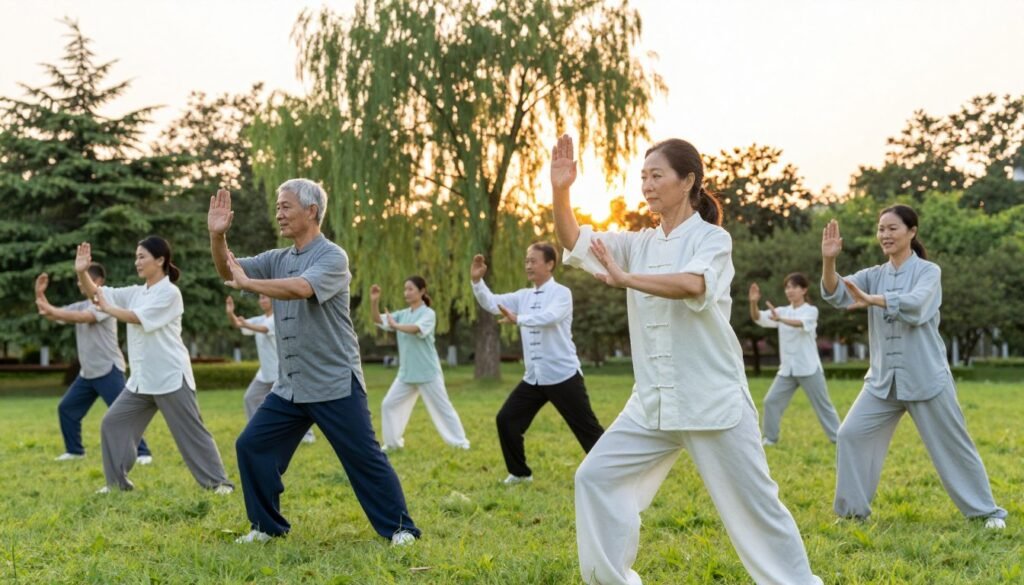
Warming Up the Ankles, Hips, Shoulders, and Spine
A gentle Tai Chi warm-up prepares your muscles and joints for the movements ahead. Start by slowly rotating your ankles and wrists to improve circulation. Gently swaying your hips and rolling your shoulders helps release tension held in these common stress points.
Focus on your spine by performing soft, controlled twists. Remember that the goal of a Tai Chi warm-up is to wake up the body, not to push into deep or painful stretches. Listen to your body and keep all movements smooth and rhythmic.
Using Comfortable Breathing Rather Than Forced Deep Breaths
Many beginners mistakenly believe they must force their breath to match specific movements. Instead, aim for a natural, relaxed rhythm that feels easy for you. Your breath should flow like a gentle tide, supporting your motion rather than dictating it.
If you find yourself holding your breath, pause and reset. Natural breathing helps lower your heart rate and keeps your mind calm. When your breath is comfortable, your body naturally finds a state of harmony.
Recognizing Pain, Dizziness, and Other Signals to Stop
Even with the best supportive footwear and preparation, you must remain mindful of your physical limits. If you experience sharp pain, sudden dizziness, or unusual shortness of breath, stop your practice immediately. These are clear signals that your body needs rest.
Never push through discomfort or fatigue. If symptoms persist, consult a medical professional before continuing your routine. Prioritizing your well-being is the most important part of maintaining a safe Tai Chi practice for years to come.
Using Tai Chi for Stress Relief and Better Sleep
Discover how simple, flowing motions can help you find calm and improve your sleep quality. By focusing on the present moment, you can effectively use stress relief with tai chi to quiet a racing mind. This practice encourages you to let go of daily worries through gentle, rhythmic movement.
How Slow Breathing Can Calm an Overactive Stress Response
When you synchronize your breath with slow movements, you naturally trigger the body’s relaxation response. This process helps shift your nervous system from a state of high alert to one of deep rest. Deep, rhythmic breathing acts as a signal to your brain that you are safe and can begin to unwind.
As you focus on your inhale and exhale, your muscles begin to release long-held tension. This physical softening is essential for mental clarity. It allows you to move away from the “fight or flight” mode that often dominates a busy day.
Creating a Short Practice for Busy or Demanding Days
You do not need hours to experience the benefits of this practice. Even a ten-minute session can make a significant difference in your mood. Start with a simple warm-up to loosen your joints, followed by three or four basic movements that you find comfortable.
End your session with a quiet moment of standing still, focusing only on your breath. This brief routine provides a powerful reset for your mind. It is a perfect way to reclaim your focus when life feels overwhelming.
Choosing Morning, Afternoon, or Evening Tai Chi
The time of day you choose to practice can change the outcome of your session. A morning practice is excellent for setting a calm, focused tone for the hours ahead. It helps you wake up your body without the jarring intensity of high-impact exercise.
If you are looking for Tai Chi for better sleep, try a gentle session in the evening. Focus on slow, fluid motions that help you transition away from the day’s demands. While these movements are highly effective for relaxation, please remember that they should not replace professional medical care if you suffer from severe anxiety or persistent insomnia.
Tai Chi for Elderly Health and Fitness
Embracing a practice like Tai Chi can transform how you move through your home and community. Focusing on elderly health and fitness allows individuals to maintain their autonomy while enjoying a gentle, low-impact activity. This ancient art provides a sustainable way to keep the body moving with grace and ease.
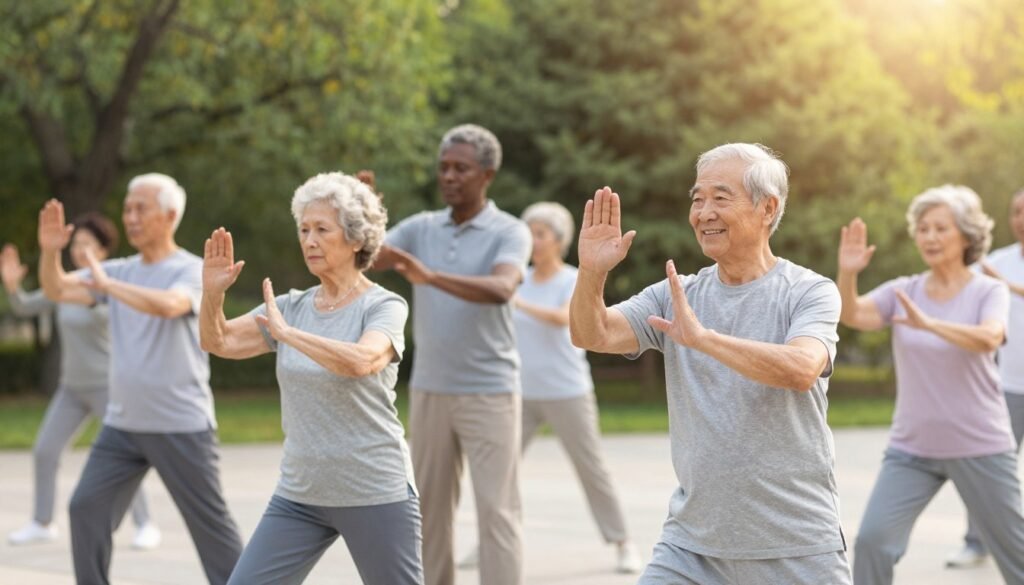
Supporting Independence With Functional Movement
Functional movement is the cornerstone of staying independent as we age. By practicing slow, deliberate motions, you train your muscles to handle everyday tasks like reaching for a shelf or stepping over a threshold. These movements mirror the actions required for daily living, ensuring your body remains capable and strong.
Improving Confidence During Walking and Direction Changes
Many older adults experience a fear of falling, which can lead to a more sedentary lifestyle. Engaging in fall-prevention exercise helps build the core stability needed to navigate uneven surfaces or sharp turns with ease. When you feel steady on your feet, your confidence grows, allowing you to move through the world without hesitation.
“The journey of a thousand miles begins with a single, steady step. By focusing on balance and mindful movement, we reclaim our ability to navigate life with confidence.”
Modifying Tai Chi for Arthritis, Stiffness, or Low Fitness
It is important to remember that Tai Chi for seniors is highly adaptable to individual needs. If you experience arthritis or general stiffness, you can simply reduce the range of motion or slow the pace of your practice. Listening to your body is the most effective way to ensure your routine remains safe and beneficial.
Practicing Seated Tai Chi When Standing Is Difficult
If standing for long periods feels challenging, seated practice offers an excellent alternative. You can perform the same fluid arm and torso movements while supported by a sturdy chair. This ensures that everyone, regardless of their current fitness level, can enjoy the restorative benefits of this practice.
| Movement Goal | Tai Chi Benefit | Impact on Daily Life |
|---|---|---|
| Weight Shifting | Improved Stability | Safer walking patterns |
| Torso Rotation | Spinal Flexibility | Easier reaching and turning |
| Controlled Breathing | Stress Reduction | Better energy management |
Building Strength, Flexibility, and Mobility Through Healing Through Movement
Healing through movement is a transformative approach that helps you regain strength and flexibility without the strain of traditional exercise. By focusing on gradual progress, you can rebuild your physical foundation with grace and ease. This practice emphasizes intentionality over intensity, allowing your body to adapt at its own pace.
Developing Lower-Body Strength Without High-Impact Exercise
You can build significant Tai Chi strength and flexibility by utilizing semi-squat positions and controlled weight transfers. These movements engage the muscles in your legs and core without the need for heavy equipment or jarring impacts. By shifting your weight slowly, you challenge your balance and stability in a safe, supportive environment.
Encouraging Spinal Mobility With Gentle Rotations
The spine thrives on gentle, rhythmic motion rather than forced stretching. Incorporating soft rotations into your daily routine helps maintain the suppleness of your back and improves overall posture. These movements should always feel fluid and natural, never sharp or strained.
Improving Shoulder and Hip Range of Motion
Maintaining healthy joints is essential for low-impact mobility as you age. By moving your shoulders and hips through their natural range of motion, you keep the surrounding tissues supple and responsive. It is vital to remember that you should never force a movement; instead, let your body guide you to a comfortable limit.
Using Relaxed Repetition to Reduce Movement Guarding
Many people develop “movement guarding,” where the body tightens up to protect itself from perceived pain or instability. Through healing through movement, you can teach your nervous system that these patterns are safe and predictable. Relaxed repetition helps dissolve this tension, allowing for freer, more confident motion in your everyday life.
| Movement Type | Primary Benefit | Focus Area |
|---|---|---|
| Weight Shifting | Stability | Lower Body |
| Spinal Rotation | Flexibility | Core and Spine |
| Arm Extensions | Range of Motion | Shoulders |
| Slow Repetition | Nervous System | Whole Body |
Creating a Sustainable Tai Chi Practice for Life
Developing a sustainable Tai Chi practice is a journey that rewards consistency over intensity. Rather than rushing to master complex sequences, focus on building a habit that fits naturally into your day. By keeping your initial sessions brief, you ensure that your body and mind remain eager for the next session.
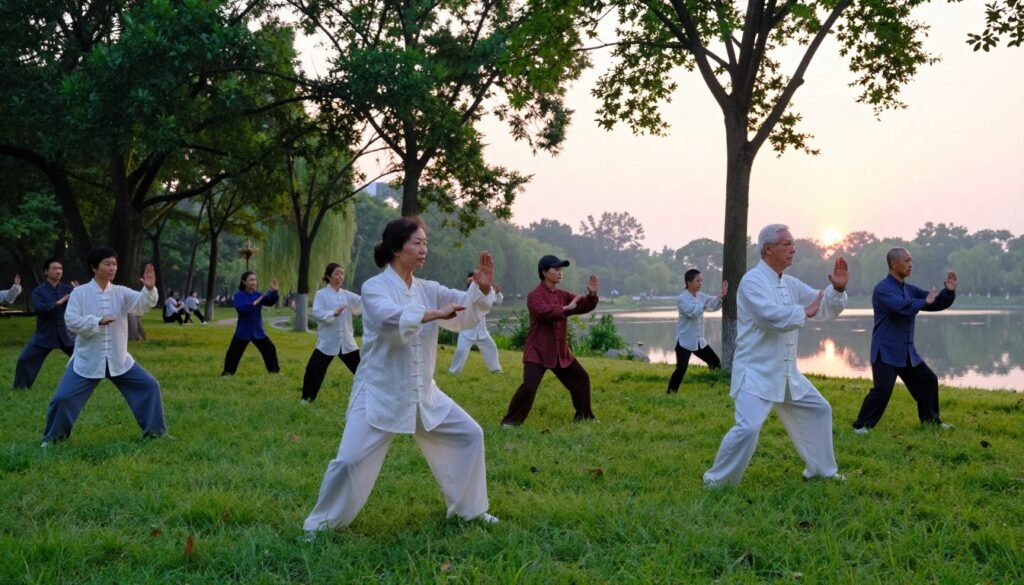
Starting With Short Sessions and Realistic Goals
Begin your journey by dedicating just ten minutes a day to your Tai Chi routine. This small commitment prevents burnout and allows you to focus on the quality of your posture. When you set realistic goals, you create a foundation for lifelong movement that supports your health for years to come.
Progressing From Individual Movements to Complete Forms
Once you feel comfortable with basic stances, you can begin linking individual movements together. Focus on maintaining a relaxed breath and fluid transitions between each posture. As your confidence grows, these connected movements will naturally evolve into complete forms that feel both graceful and restorative.
Tracking Consistency, Comfort, and Functional Improvements
Instead of worrying about technical perfection, track how your body feels after each practice. Note improvements in your balance, energy levels, and ease of performing daily tasks like walking or reaching. Using a 12-week timeframe helps you observe steady progress in your physical comfort and mental clarity.
| Focus Area | Weeks 1-4 | Weeks 5-8 | Weeks 9-12 |
|---|---|---|---|
| Consistency | Daily 10-min sessions | Consistent 20-min flow | Established habit |
| Balance | Increased awareness | Improved stability | Confident movement |
| Comfort | Reduced stiffness | Greater flexibility | Fluid range of motion |
| Energy | Mild alertness | Steady vitality | Enhanced daily mood |
Combining Tai Chi With Other Wellness Habits
True vitality comes from weaving gentle movement into a tapestry of healthy daily habits. By looking at your health through a wider lens, you create a foundation that supports your body for years to come. Consistency is the key to unlocking the full potential of your wellness journey.
Pairing Tai Chi With Walking and Strength Training
While this practice builds incredible stability and focus, it works best when paired with other forms of exercise. Combining Tai Chi and walking creates a perfect balance between mindful movement and cardiovascular health. If your doctor suggests higher-intensity training, you can easily layer that into your week alongside your slower, intentional sessions.
Adding light resistance training helps maintain muscle mass as you age. This combination ensures that your body remains both flexible and strong. You will find that your movements become more fluid and capable during everyday tasks.
Supporting Movement With Balanced Nutrition and Hydration
Your body requires the right fuel to perform at its best. Prioritizing nutrition and hydration for movement ensures that your muscles and joints have the resources they need to recover. Drinking plenty of water throughout the day keeps your tissues supple and ready for activity.
Focus on whole foods that provide sustained energy. A balanced diet supports your internal systems, making it easier to stay active and engaged. When you nourish yourself well, you will notice a significant difference in your daily energy levels.
Using Rest and Recovery to Protect Long-Term Progress
It is tempting to push yourself every single day, but rest is just as important as the practice itself. Giving your body time to recover prevents burnout and keeps your joints feeling refreshed. Sustainable progress happens when you listen to your body and honor its need for downtime.
Try to alternate your active days with periods of gentle stretching or complete rest. This rhythm protects your long-term health and keeps your motivation high. Remember that consistency over time is far more effective than short bursts of intense effort.
Connecting Tai Chi Practice With Social and Community Wellness
Engaging in community wellness is a wonderful way to stay accountable and connected. Joining a local class provides a sense of companionship that is often missing in solitary routines. For many, the social aspect is just as healing as the physical movements themselves.
Sharing your journey with others can help reduce feelings of isolation. You will find that the support of a group makes every session more enjoyable and meaningful. Building these connections is a vital part of maintaining a healthy, active lifestyle.
Adapting Tai Chi to Different Health Goals and Abilities
Whether you are recovering from an injury or seeking better balance, Tai Chi offers a flexible path forward. The beauty of this practice lies in its ability to evolve alongside your personal needs. You should never feel pressured to force your body into a rigid form; instead, adaptive Tai Chi encourages you to modify movements to suit your current physical reality.
Practicing for Balance and Fall-Prevention Support
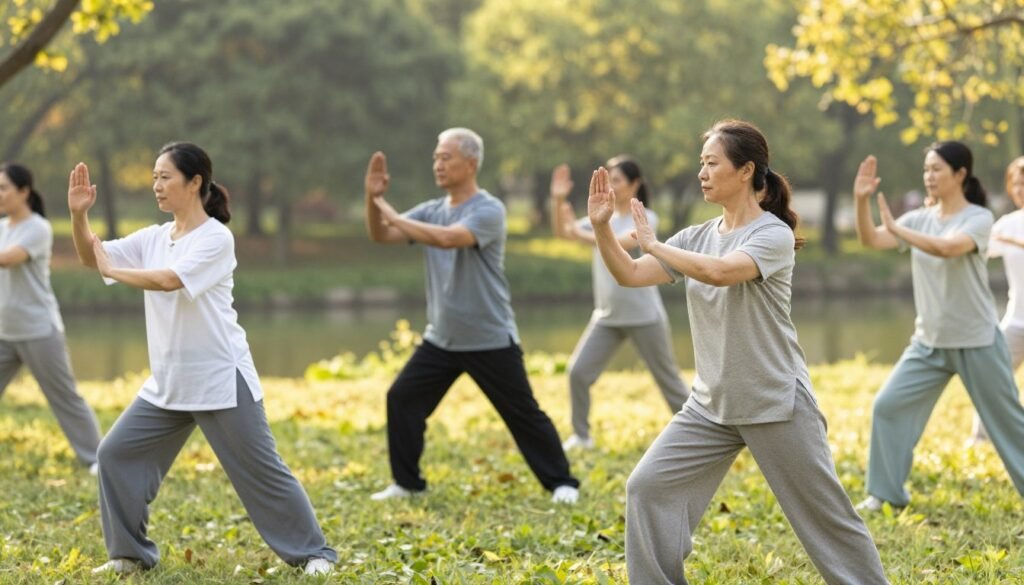
If your primary goal is to improve stability, focus on movements that emphasize weight shifting and grounding. You can utilize a sturdy chair for support during your practice to ensure you feel secure while building confidence. By taking smaller, more controlled steps, you create a foundation for balance and fall prevention that translates directly into your daily life.
“The journey of a thousand miles begins with a single step, taken with awareness and grace.”
Practicing for Stress Management and Emotional Well-Being
When using this practice for mental clarity, the focus shifts from physical precision to the rhythm of your breath. You might choose to perform movements at a slower pace to help calm an overactive nervous system. This gentle approach allows you to release tension, fostering a sense of inner peace and emotional resilience that lasts long after your session ends.
Practicing for Mobility During Recovery or Physical Limitations
For those navigating physical challenges, Tai Chi for recovery can be a powerful tool for regaining range of motion. You can easily adjust the height of your arm movements or perform entire sequences while seated to accommodate your specific limitations. Always coordinate these modifications with your healthcare provider or a certified instructor to ensure your routine remains safe and effective.
Remember that your practice is a personal journey of discovery. By listening to your body and making small, intentional adjustments, you ensure that your movement remains a sustainable habit for years to come. Consistency is far more important than achieving a perfect, standard posture.
Common Tai Chi Mistakes and Better Ways to Practice
Embarking on a journey with Tai Chi is a rewarding experience, but it is easy to fall into habits that hinder your progress. Many beginners unknowingly adopt patterns that limit the flow of energy and reduce the physical benefits of their practice. By identifying these common Tai Chi mistakes early, you can refine your technique and enjoy a more harmonious experience.
Moving Too Quickly Instead of Prioritizing Control
One of the most frequent errors is rushing through transitions to finish a form. Tai Chi is designed to be a slow, meditative practice where controlled movement is the primary goal. When you move too fast, you lose the opportunity to build deep stability and awareness.
Instead of focusing on speed, try to slow your pace significantly. Imagine you are moving through water, which naturally forces you to maintain a steady, deliberate rhythm. This shift in focus will help you master the nuances of each posture.
Locking the Knees or Holding Tension in the Shoulders
Proper Tai Chi alignment relies on soft, relaxed joints that allow for fluid motion. Many practitioners accidentally lock their knees or hunch their shoulders, which creates unnecessary physical strain. These habits block the natural flow of your body and can lead to discomfort over time.
To correct this, keep your knees slightly bent and “springy” at all times. Consciously drop your shoulders away from your ears and let your arms hang with a sense of heaviness. You will find that this simple adjustment makes your movements feel much more grounded and effortless.
Holding the Breath During Difficult Movements
It is natural to hold your breath when you are concentrating hard on a complex sequence. However, restricted breathing prevents your muscles from relaxing and disrupts your internal rhythm. You should aim for a natural, rhythmic breath that matches the pace of your motion.
- Inhale gently as you expand or rise.
- Exhale slowly as you sink or contract.
- Keep your jaw relaxed to ensure your throat remains open.
Comparing Personal Progress With More Experienced Practitioners
It is easy to feel discouraged when watching seasoned practitioners who move with grace and ease. Remember that everyone starts at a different level of fitness and flexibility. Comparing your journey to theirs often leads to frustration rather than growth.
Focus entirely on your own body and how it feels during each session. Your goal is to improve your own controlled movement, not to mimic someone else’s performance. Celebrate the small wins, such as better balance or a calmer mind, as these are the true markers of success in your practice.
Measuring Progress in Wellness, Balance, and Healthy Ageing
Small changes in your daily life often signal the biggest wins in your practice. When you start measuring Tai Chi progress, it is helpful to look beyond the mirror or the clock. True growth is often found in how you feel as you move through your day.
Noticing Changes in Stability and Confidence
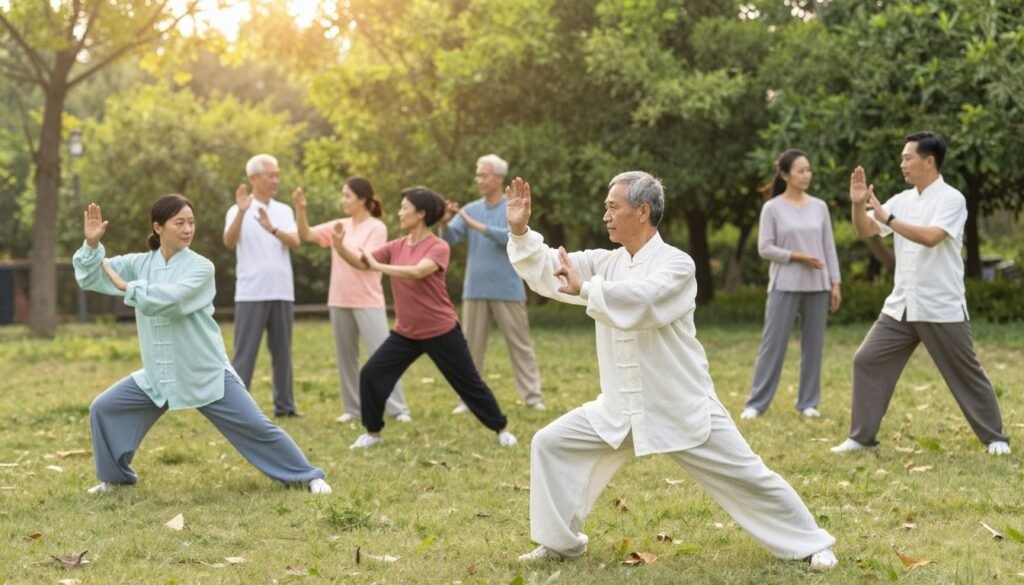
You may begin to notice that your feet feel more grounded during your morning routine. Perhaps you find yourself walking with less hesitation when navigating uneven surfaces or turning corners. This newfound sense of stability is a clear indicator that your core strength and spatial awareness are improving.
Evaluating Ease of Daily Activities
Focusing on functional wellness allows you to appreciate the practical benefits of your training. Pay attention to how easily you can rise from a chair or reach for items on a high shelf. These simple movements often become smoother and more fluid as your body learns to distribute weight more effectively.
Observing Stress, Sleep, Energy, and Mood Patterns
Your internal state is just as important as your physical movement. Many practitioners report that they fall asleep faster and wake up feeling more refreshed after consistent sessions. You might also notice that your mood remains more stable, even during busy or demanding days.
Setting Meaningful Goals Beyond Appearance or Performance
When you define your healthy ageing goals, prioritize independence and comfort over external metrics. Aim for milestones that improve your quality of life, such as being able to play with grandchildren or enjoying long walks without fatigue. These goals keep you motivated and connected to the true purpose of your practice.
| Metric Category | Initial Observation | Long-term Goal |
|---|---|---|
| Physical Stability | Hesitant movement | Confident, fluid gait |
| Daily Function | Stiff when rising | Effortless transitions |
| Mental Well-being | High daily stress | Calm, resilient mood |
| Sleep Quality | Restless nights | Deep, restorative rest |
Conclusion
Tai Chi serves as a gentle, adaptable bridge between your physical health and mental clarity. By uniting intentional movement with rhythmic breathing, you create a sustainable path toward better balance and healthy ageing.
Research consistently highlights how this practice improves mobility, strength, and flexibility for older adults. You will likely notice significant gains in your confidence, sleep quality, and emotional resilience as you integrate these slow motions into your daily routine.
Begin your journey with a safe, beginner-friendly routine that respects your current physical abilities. Seek professional guidance if you have specific health conditions to ensure your movements remain supportive and effective.
Consistency acts as the true foundation for long-term success. Pair your practice with balanced nutrition and realistic goals to nurture your body over the coming years. Every small step you take today builds a stronger, more stable version of yourself for the future.